The Anatomy of Excellence: Understanding What Separates a Truly Worthy Designer Handbag from the Rest
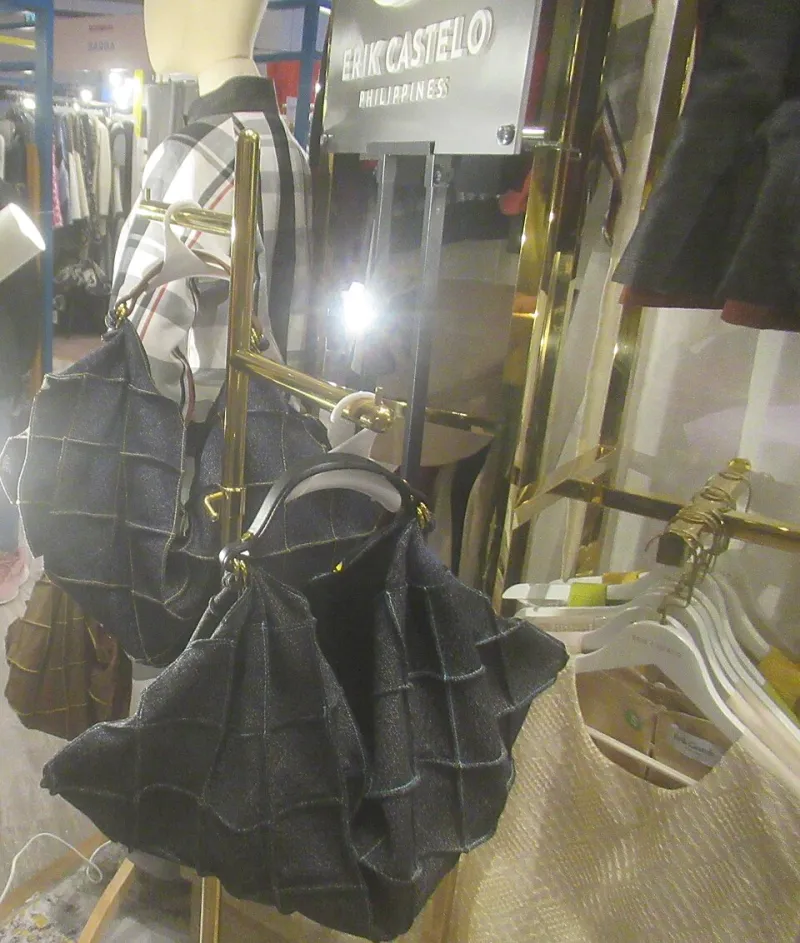
Photo: P1898, CC BY 4.0, via Wikimedia Commons
The price of a luxury handbag is one of the most scrutinized figures in fashion. Critics dismiss it as theater. Devotees accept it as gospel. The truth, as is usually the case, is considerably more instructive than either position.
A genuinely investment-worthy designer handbag is not expensive because of its label. It is expensive because of what lies beneath it—the provenance of its materials, the accumulated expertise of the hands that shaped it, and the engineering decisions that determine whether it will look exceptional in ten years or merely adequate in two. Understanding these distinctions is not a luxury reserved for industry insiders. It is knowledge that every discerning buyer deserves.
The Material Foundation
No element of a handbag's construction carries more weight—literally and figuratively—than its primary material. Full-grain leather, the highest grade available, retains the natural surface of the hide and develops a patina over time that is entirely unique to its owner. It is more expensive to source, more demanding to work with, and dramatically more durable than corrected-grain or bonded alternatives.
The most sought-after luxury leathers carry geographic specificity that is inseparable from their quality. Hermès' Togo and Clemence leathers are sourced and tanned according to proprietary specifications developed over decades. Bottega Veneta's nappa is chosen for a suppleness that makes its signature intrecciato weave possible without cracking. Chanel's lambskin is selected for a softness that requires careful ownership but rewards it with unmatched tactile elegance.
Beyond leather, exotic materials—python, ostrich, crocodilian—command premium pricing that reflects both the scarcity of the raw material and the extraordinary skill required to work it without waste or damage. Responsible sourcing certifications, increasingly standard among reputable maisons, add another layer of value for the ethically conscious buyer.
Construction Techniques That Signal Longevity
A bag's stitching tells its story more honestly than any marketing campaign. Saddle stitching—a technique in which two needles work from opposite sides of the leather, creating a lock stitch that holds even if one thread breaks—is the gold standard for luxury goods. It is slower and more labor-intensive than machine stitching, which is precisely why its presence indicates a commitment to durability over efficiency.
Stitch count per inch matters as well. Tighter stitching distributes stress more evenly along a seam, reducing the likelihood of separation under regular use. When examining a bag in person, run a fingernail gently along a seam: the thread should feel deeply embedded, not raised or loose.
Edge finishing is another telling detail. Raw edges, painted with multiple thin layers of edge coat and burnished smooth, indicate careful handwork. A bag whose edges are merely folded and glued—regardless of how its exterior presents—is revealing something important about the priorities of its maker.
Hardware as Honest Signal
Metal hardware is one of the most reliable proxies for overall construction quality, because it is simultaneously one of the most visible and most expensive components to do well. Solid brass hardware, often plated in gold or palladium, has a weight and warmth that cannot be replicated by zinc alloy substitutes. Press a zipper pull between your fingers: it should feel substantial, not hollow.
Zipper quality deserves specific attention. YKK Excella and Lampo zippers—used by houses including Prada and Valextra—operate with a smoothness that reflects both the quality of their teeth and the precision of their installation. A zipper that catches or requires force is not merely inconvenient; it is an early indicator of broader compromises in construction.
Lock mechanisms on flap bags should close with a satisfying, definitive click. The clasp of a Hermès Kelly or the turn-lock of a classic Gucci Dionysus are engineered to function flawlessly over thousands of cycles. Inferior hardware degrades within months of regular use.
The Role of Artisan Heritage
The provenance of a bag's manufacture is not merely a romantic narrative—it is a quality indicator with measurable implications. Ateliers that have refined a specific technique over generations produce work that cannot be replicated by factories optimizing for speed. Hermès' requirement that a single artisan complete an entire bag from start to finish, for example, creates accountability for quality that assembly-line production structurally cannot.
For American buyers navigating the luxury market, the distinction between a bag made in a maison's own atelier versus one produced under license in an unspecified facility is consequential. Many heritage houses—Goyard, Valextra, Métier—maintain tight control over production precisely because they understand that provenance and quality are inseparable.
Reading the Details Others Miss
Several details serve as reliable differentiators between investment-worthy bags and their less distinguished counterparts.
Lining quality. Suede or leather linings signal that the interior was treated with the same respect as the exterior. Synthetic linings, while functional, indicate a cost-saving decision that may reflect similar decisions elsewhere in construction.
Pattern matching. On bags made from quilted, checked, or printed leather, the pattern should align seamlessly across seams and pockets. This requires more material and more precise cutting—both of which cost money and reflect care.
Base protection. Metal feet on the base of a bag protect the leather from surface wear and moisture damage. Their presence, and the quality of their attachment, is a small but meaningful indicator of how a manufacturer thinks about longevity.
Interior organization. Thoughtfully placed pockets, reinforced openings, and secure closures within the bag's interior suggest that its designers considered the full arc of ownership, not merely the moment of purchase.
Evaluating Value, Not Just Price
The question to bring to any luxury handbag purchase is not whether the price is high—it invariably will be—but whether the price reflects genuine value. A $4,500 bag constructed from full-grain leather, saddle-stitched by a single artisan in a heritage atelier, with solid brass hardware and a suede lining, represents a fundamentally different proposition than a $3,800 bag assembled from corrected leather with machine stitching and plated zinc fittings.
Knowing the difference is what transforms a purchase from an act of aspiration into an act of discernment. It is, in the most literal sense, what it means to carry with intention.