The Intentional Collection: How to Build a Luxury Handbag Rotation That Works for Your Life
Photo: P1898, CC BY 4.0, via Wikimedia Commons
There is a particular kind of quiet confidence that comes from reaching for the right bag without hesitation. Not because you own dozens of options, but because every piece in your collection was chosen with deliberate care. The capsule handbag wardrobe is not a trend—it is a philosophy. It is the understanding that fewer, better things, selected with purpose, outperform the sprawling accumulation of impulse acquisitions every single time.
At Werf Bag, we believe luxury is carried with intention. Nowhere does that principle apply more practically than in how you build and maintain your personal handbag rotation.
Start With Occasions, Not Aesthetics
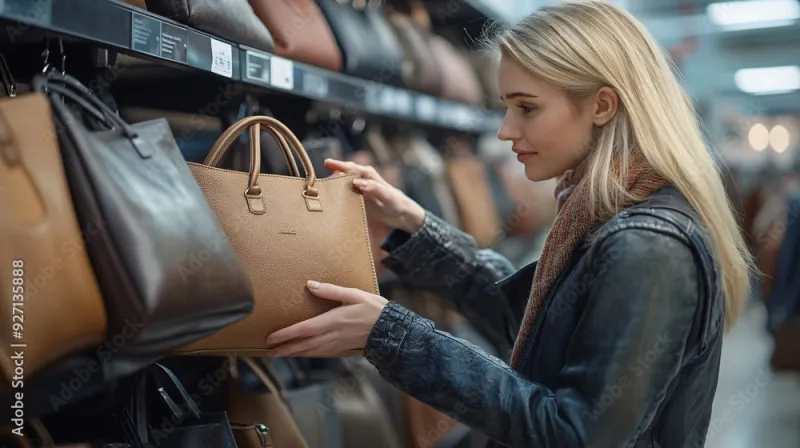
The most common mistake in assembling a luxury collection is beginning with desire rather than function. A bag may be beautiful in isolation, yet render itself redundant alongside three others you already own. Before you consider silhouette or brand, map the distinct moments that define your week.
Consider the professional woman who moves between client presentations in Manhattan, weekend farmers' market runs in Brooklyn, and black-tie dinners twice a season. Her life demands a bag that commands authority in a conference room, one that moves freely on a Saturday morning, and one that disappears elegantly into an evening. These are three genuinely different functional requirements—and they call for three genuinely different silhouettes.
When you approach your collection as a system of occasions rather than a gallery of objects, every acquisition earns its place from the outset.
The Four-Piece Framework
While no collection is one-size-fits-all, a foundational rotation of four pieces covers the vast majority of American women's daily lives with remarkable efficiency.
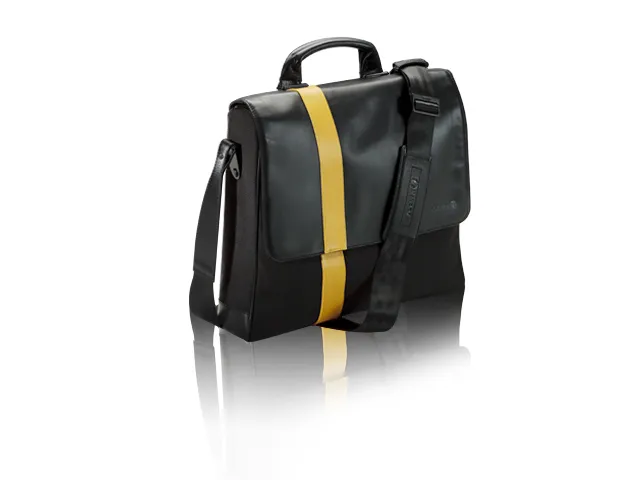
The Structured Day Bag. This is your workhorse—a medium to large tote or satchel that transitions from desk to dinner without apology. Look for clean lines, a neutral palette (black, cognac, camel, or deep navy), and hardware that reads as polished rather than decorative. Brands such as Celine, The Row, and Polène have mastered this category precisely because their designs prioritize longevity over novelty.
The Compact Crossbody. Versatility lives here. A well-proportioned crossbody liberates your hands on weekends, travels through airport security with grace, and keeps evenings informal without sacrificing refinement. Opt for a style that can be worn as a shoulder bag as well, extending its utility further.
The Evening Clutch. Small in scale, significant in impact. A single beautifully crafted clutch—whether a classic envelope, a structured minaudière, or a soft pouch—is sufficient for most social calendars. Choose a neutral or a single accent color that complements the rest of your collection rather than competing with it.
The Statement Piece. Every intentional collection deserves one bag that exists primarily to express rather than serve. This is the piece that sparks conversation, that announces your aesthetic sensibility, that you reach for when the occasion calls for a point of view. It need not be practical. It must, however, be genuinely loved.
Color and Material Coherence
A capsule collection functions as a system only when its components speak a common visual language. This does not mean uniformity—it means harmony. A collection anchored in warm neutrals (camel, bone, cognac) holds together effortlessly across seasons and outfit palettes. A cooler-toned collection built around black, taupe, and dusty rose conveys a different but equally cohesive identity.
Materials deserve equal attention. Mixing textures—smooth calfskin alongside woven raffia or pebbled leather—adds visual interest without disrupting cohesion, provided the color story remains consistent. Where collections tend to fracture is when bags of wildly different material registers occupy the same rotation: a buttery Bottega Veneta alongside a heavily logoed canvas piece, for instance, may each be extraordinary individually yet resist living together gracefully.
The Art of Sizing Your Rotation
Size is not merely a physical dimension—it is a signal. A large, structured tote communicates preparedness and authority. A tiny crossbody suggests ease and intentionality. When your rotation covers a genuine range of scales, you grant yourself the freedom to dress for the moment rather than defaulting to a single bag that never quite fits the occasion.
A useful rule of thumb: ensure that no two bags in your primary rotation occupy exactly the same functional tier. If you own two medium crossbodies and no evening option, you have not built a system—you have built a redundancy.
Caring for Your Investment
A capsule approach also demands a capsule-level commitment to maintenance. Fewer bags mean more frequent use per piece, which in turn means more frequent care. Rotate your bags deliberately so that no single one bears disproportionate wear. Store each in its dust bag, stuffed lightly to preserve its shape. Condition leather seasonally, and address hardware tarnish before it becomes irreversible.
This attentiveness is not merely practical—it is an expression of the same intentionality with which the collection was assembled.
Building Over Time
The capsule handbag wardrobe is rarely built in a single season, nor should it be. The most cohesive collections are assembled gradually, with each acquisition informed by genuine reflection on what is missing rather than what is merely available. Resist the pull of seasonal campaigns that introduce urgency where none exists. The right piece, purchased at the right moment, for the right reason, will serve you for decades.
That is, ultimately, what carrying with intention means—not restraint for its own sake, but the quiet discipline of choosing only what genuinely belongs.