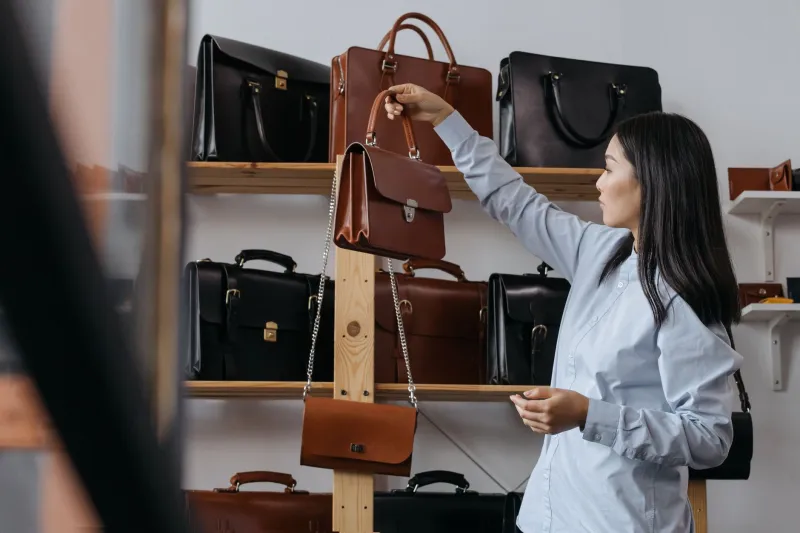
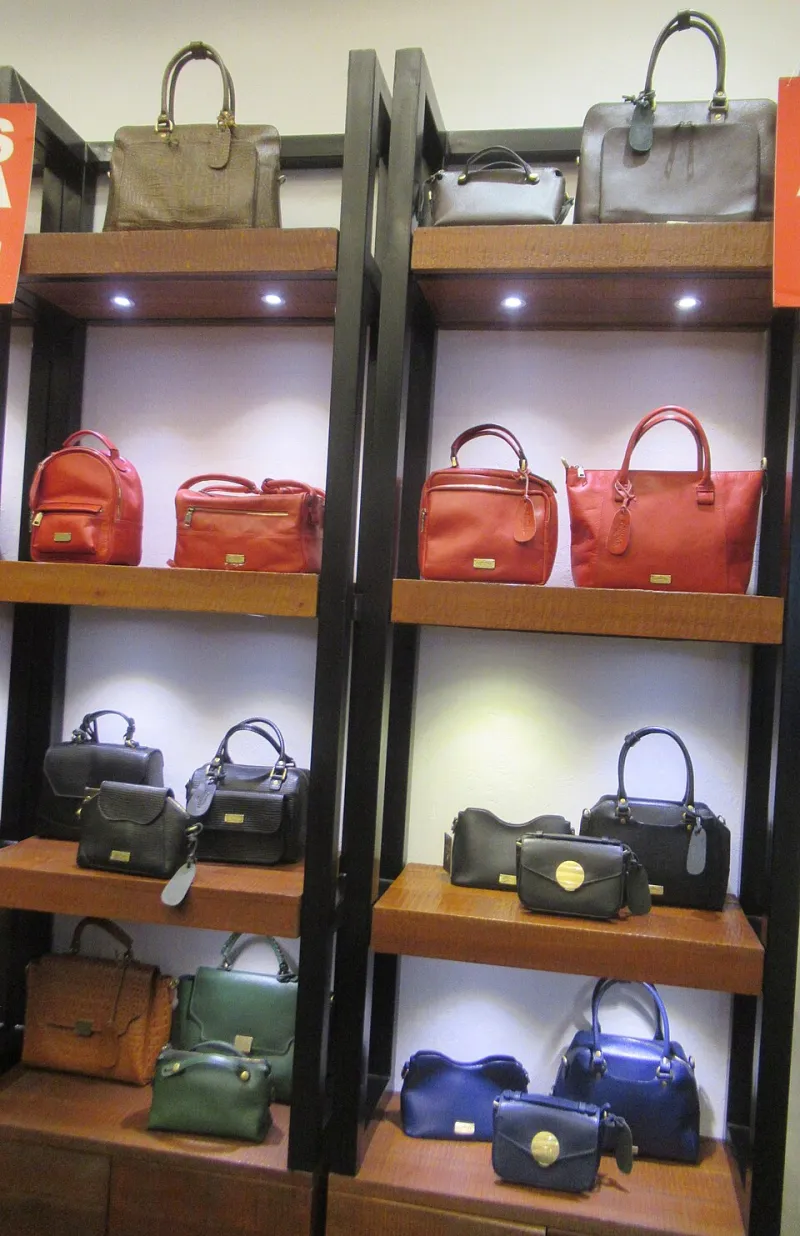
Buying It Twice: The Secret Duplicate Habit Behind Every So-Called Signature Bag

Ask a woman with a serious handbag collection to name her signature bag, and she will answer without hesitation. Ask her to open the closet, and a curious pattern emerges: the signature bag, more often than not, exists in two. Sometimes three.
The duplicate handbag is among the least discussed behaviors in luxury consumption. No one boasts about owning the same silhouette in black and in cognac. And yet, in conversations with collectors from Chicago to Dallas, the pattern surfaces again and again — a quiet admission, usually delivered with a small laugh, that when a bag truly works, once is not enough.
The Logic of the Twin
Behavioral economists have a name for part of what is happening: the endowment effect, our tendency to overvalue what we already possess. Once a bag proves itself — the strap sits right, the weight feels correct, the compliments arrive — it stops being one option among many and becomes a standard against which every other bag is judged. The rational response to finding an object that fits that well is not to diversify. It is to insure the finding.
This is where the duplicate stops looking like indulgence and starts looking like a hedge. Luxury houses discontinue shapes without warning. Leathers are retired, hardware is updated, proportions are quietly revised. A collector in Atlanta described buying the same tote twice within eight months — the second purchase made, in her words, 'the day I heard rumors it was being discontinued.' She does not regret it. She describes the second bag the way one might describe a spare key: unnecessary until the moment it is essential.
What the Duplicate Says About 'Signature'
There is a deeper question underneath the habit, and it concerns what we mean when we call a bag a signature. If a signature is truly singular — an expression of one woman, one aesthetic — then a duplicate dilutes it. But perhaps the signature was never about the individual object. Perhaps it is about a relationship: a set of proportions, a way of carrying, a daily ritual that fits a life so precisely that variations on the theme feel like extensions rather than repetitions.
Seen this way, the woman who owns her favorite shoulder bag in both pebbled leather and smooth calfskin is not indecisive. She has identified something durable about herself and is choosing to honor it in two registers. The duplicate becomes a study in nuance — the same architecture, two temperaments.
Stylists, for their part, tend to defend the practice with practicality. A second colorway in a proven silhouette, they note, solves more problems than a new experiment ever will. The woman who already knows a bag works will actually carry the second one. The untested purchase, however beautiful, risks joining the ranks of the barely worn.
When a Second Bag Is Redundant
Not every duplicate earns its place, however. The habit curdles into waste when it becomes reflex rather than reasoning. Before acquiring a twin, consider three questions.
First: does the original earn heavy rotation? A bag carried three times a week justifies a backup. A bag carried three times a year does not — the second will fare no better.
Second: is the variation functional or merely emotional? A smaller version of a beloved work tote extends the design into evenings and weekends. The same bag in the same size in a different color solves a narrower problem: the fear of wearing out the first. That fear is real, but it is worth asking whether it justifies four figures.
Third: could the money buy contrast instead? Sometimes the duplicate urge is actually a desire for novelty wearing the costume of loyalty. A second bag in a genuinely different shape may serve the wardrobe better than a mirror image.
A Framework, Briefly
The essential duplicate extends a proven design into a life it cannot otherwise reach — a different scale, a different season, a different context. The redundant duplicate replicates what already exists and calls it caution. Between those poles sits the discontinued favorite, where the calculus bends toward acquisition; replacement will not be possible later, and regret in collecting tends to be more expensive than duplication.
The habit, in the end, is neither vice nor virtue. It is information. When a woman buys the same bag twice, she is telling herself something true about what works in her life. The mistake is not listening — or listening so well that she stops discovering anything new.