Assess, Restore, or Let Go: A Thoughtful Reckoning With Your Luxury Handbag Collection

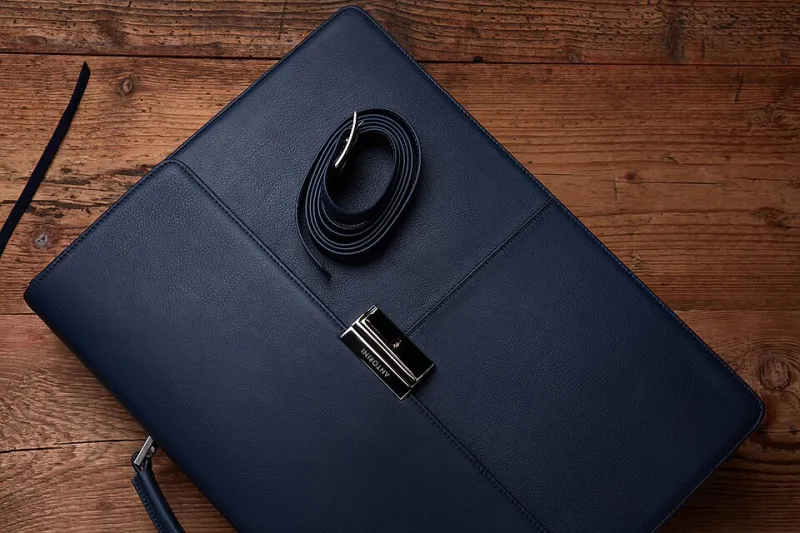
Photo: Patricia Arévalo, CC BY-SA 4.0, via Wikimedia Commons
There is a particular kind of procrastination that belongs exclusively to the luxury handbag owner. It manifests as a shelf of beautiful objects that have not been carried in months — perhaps years — and yet cannot seem to find their way out of the closet. Some are worn at the handles. Some have lost their shape. Some simply no longer feel like you. And still, they remain.
The bag wardrobe audit is one of the most valuable exercises a style-conscious collector can undertake. It is not an act of purging for its own sake, nor is it a sentimental inventory of past purchases. It is a disciplined, honest assessment of what each piece contributes to your life today — and what it might offer someone else if it no longer serves you.
Approaching this process with intention, rather than impulse, is what separates a considered collection from a crowded one.
Begin With Condition, Not Sentiment
The first lens through which to evaluate any handbag is purely physical. Remove each piece from storage and examine it in natural light. Look at the corners — the first place most structured bags show wear. Inspect the hardware for tarnish, corrosion, or loosening. Run your fingers along the lining for tears, staining, or that telltale tackiness that signals a coated fabric breaking down. Assess the stitching at stress points: the handles, the gussets, the base.
What you are doing here is separating cosmetic aging from structural compromise. These are two fundamentally different conditions, and conflating them is the most common mistake collectors make when deciding a bag's fate.
Cosmetic aging — light surface scratches on Saffiano leather, minor color fading on canvas, slight softening of a structured silhouette — is almost always addressable. Structural compromise — cracked glazing that has lifted away from the leather, a broken frame that has warped the bag's architecture, lining deterioration that has migrated to the exterior — requires a more serious conversation.
When Restoration Is the Right Answer
The American luxury restorations market has matured considerably over the past decade, and skilled artisans capable of returning a well-made bag to near-original condition are more accessible than many collectors realize. Firms such as Leather Spa in New York and The Restory's US operations have built reputations for working with heritage materials at the level they deserve.
Restoration makes compelling sense under several conditions. First, when the bag is of sufficient quality that the craftsmanship underlying the wear is still sound. A Chanel Classic Flap with worn edges and a faded interior is a candidate for restoration precisely because the quilting, the chain, and the leather beneath remain structurally intact. The investment in professional care will yield a piece that carries, and carries value, for another decade.
Second, restoration is appropriate when the piece holds genuine personal significance that transcends market logic. An heirloom bag passed through generations, or one acquired at a defining moment in your life, may warrant care that a purely financial calculation would not support. Luxury, at its most meaningful, is not always a spreadsheet exercise.
Third, consider restoration when the current resale market for the piece is strong. Restoring a bag before listing it on The RealReal or Vestiaire Collective can meaningfully increase its realized price — particularly for pieces where condition grades directly affect buyer confidence.
Recognizing the Limits of Repair
Not every bag that can be repaired should be. This is a distinction that even experienced collectors sometimes resist, because it requires accepting that a beloved object has genuinely reached its end of life in your collection.
Certain forms of damage are functionally irreversible at a cost that makes sense. Exotic skins — python, ostrich, crocodile — that have dried and cracked at the scale level rarely restore to a state that honors the original material. Canvas bags where the coating has fully separated from the base fabric will continue to degrade regardless of surface treatment. Hardware that has corroded beneath its plating will resurface through any new finish applied over it.
There is also the question of proportional investment. If a bag's current market value is $400 and a full restoration would cost $350, the arithmetic is difficult to justify unless the emotional value is significant. A reputable restoration specialist will tell you this honestly — and if they do not, that itself is useful information.
The Refresh: A Middle Path
Between full restoration and release lies a third option that is often overlooked: the targeted refresh. This approach addresses specific, limited issues without committing to a comprehensive overhaul.
A leather conditioning treatment can revive a bag that has simply dried out from improper storage. A hardware polish can restore brilliance to gold-tone fittings. A professional cleaning — not a home attempt with household products, but a genuine specialist cleaning — can address surface soiling and light staining in ways that dramatically alter a bag's perceived condition.
The refresh is particularly valuable for bags that are not worn regularly but remain part of an intentional rotation. Seasonal pieces, occasion bags, and investment-grade classics that are stored more than carried benefit enormously from periodic professional maintenance, even in the absence of visible damage. Think of it as the luxury equivalent of a regular service appointment: preventive rather than reactive.
When It Is Time to Release
Some bags, despite their provenance and their history with you, have simply run their course. Recognizing this with grace is as important a skill as knowing when to invest in restoration.
Ask yourself honestly: when did you last carry this bag? Not when you last thought about carrying it, but when you actually did. If the answer is measured in years rather than months, consider why. Is it condition? Is it a shift in your personal aesthetic? Is it a silhouette or size that no longer fits the life you are living?
A bag that is not carried is not serving its purpose. Luxury, at its core, is meant to be lived with — worn, used, experienced. A beautiful object sealed in a dust bag on a shelf is neither serving you nor anyone else.
Releasing a piece thoughtfully — through consignment, private sale, or donation to an organization such as Dress for Success, which accepts quality accessories — is not a failure of stewardship. It is, in fact, the most intentional act a collector can perform: acknowledging that the right piece, in the right hands, continues to carry meaning forward.
Building a Collection That Stays Current
The bag wardrobe audit is most powerful when it becomes a practice rather than a one-time event. Revisiting your collection seasonally — with fresh eyes, honest assessment tools, and a clear understanding of what you need your bags to do for your life right now — keeps your collection purposeful rather than accumulated.
The goal is not a smaller collection or a larger one. It is a considered one: each piece earning its place, each acquisition made with clarity, and each departure made with intention.
At Werf Bag, we believe that the most refined collections are not defined by volume or expenditure alone. They are defined by the quality of the decisions behind them — the willingness to look clearly at what you have, care for it well, and know when to carry something forward and when to let it go.