Wanderlust, Refined: The Discerning Traveler's Guide to Luxury Handbags Built for the Journey
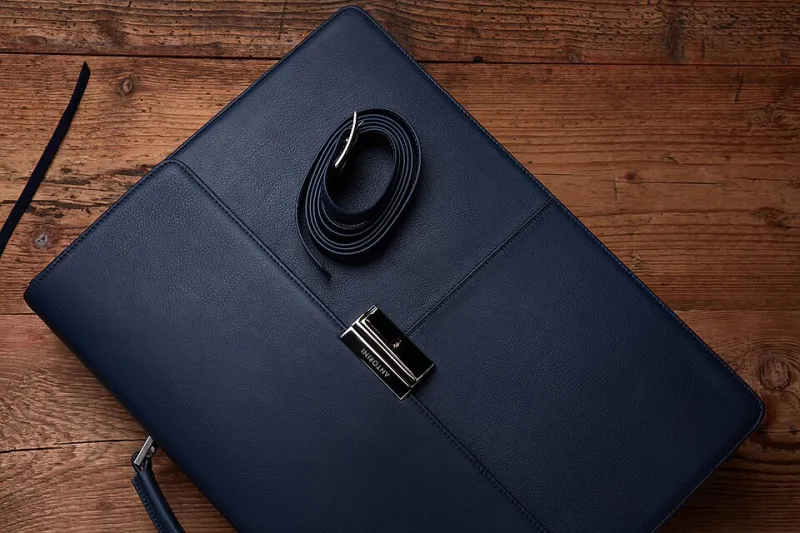
Photo: Antorini, CC BY-SA 4.0, via Wikimedia Commons
There is a particular kind of clarity that arrives in the middle of a transatlantic flight, when one reaches beneath the seat for a bag and finds it precisely as it was packed — organized, intact, and effortlessly retrievable. That clarity is not accidental. It is the product of intention: a deliberate choice made long before the boarding gate, in the quiet consideration of which bag was truly worthy of the journey.
For the style-conscious American traveler, the question of which luxury handbag to carry has grown considerably more complex — and considerably more interesting — in recent years. Designers who once operated purely within the realm of aesthetics have turned their attention to engineering. The result is a new generation of bags that honor the intelligence of women who refuse to choose between looking impeccably put-together and moving through the world with ease.
Why Travel Has Become the Ultimate Test of a Handbag
Few environments expose the true character of a handbag more honestly than travel. Airport security demands rapid accessibility. Cobblestone streets in Charleston or the marble floors of a Milan hotel lobby test structural integrity. Overhead bins, customs queues, and the sheer volume of items a modern traveler carries — passport, phone, lip balm, a novel, a portable charger — press every organizational feature to its limit.
It is no coincidence, then, that many of the most respected luxury houses have released travel-specific lines or redesigned their heritage silhouettes with these realities in mind. The conversation around travel bags has matured from "which bag fits my carry-on" to "which bag was designed with my entire journey in mind."
Materials That Mean Business
The first indicator of genuine travel-readiness in a luxury handbag is the material from which it is constructed. Not all leathers perform equally under the pressures of frequent use, and a discerning buyer would do well to understand the distinctions.
Full-grain leather remains the gold standard for structured travel bags. It is the densest, most durable layer of the hide, and it develops a patina over time that speaks beautifully to a life well-traveled. Brands such as Valextra and Métier London have long championed this material precisely because it ages with dignity rather than deteriorating under strain.
Coated canvas, once considered a secondary option, has been elevated through meticulous craftsmanship at houses like Louis Vuitton and Goyard. Its resistance to moisture, scuffs, and the general indignities of transit make it a pragmatic choice without apology.
For those drawn to more contemporary options, technical nylons and recycled performance fabrics have entered the luxury conversation with genuine credibility. Prada's Re-Nylon collection, for instance, has demonstrated that sustainability and high-end construction are far from mutually exclusive. These materials resist water, wipe clean, and maintain their silhouette through the kind of handling that would compromise a less considered bag.
What to avoid: highly embellished surfaces, delicate suede, and untreated exotic skins — all of which, however beautiful in a controlled setting, were not conceived with the humidity of a Houston summer or the overhead bin of a regional jet in mind.
Closures That Earn Their Place
A bag's closure mechanism is among its most underappreciated features — until it fails at an inconvenient moment. For travel, the closure must balance security with accessibility, a pairing that is more difficult to achieve than it sounds.
Top-zip closures remain the most reliably secure option for travel. They prevent items from shifting during movement and offer a degree of protection against opportunistic theft in crowded terminals. The best examples operate smoothly with a single hand, a detail that reveals genuine design intelligence.
Turn-lock and push-lock hardware, while iconic on many classic silhouettes, can loosen with repeated use. If a bag features this type of closure, it is worth examining the hardware weight and the tightness of the mechanism before committing to a purchase intended for regular travel.
Magnetic closures, while convenient, are best suited to interior organizational pockets rather than the primary opening of a travel bag. Their security is limited, and proximity to electronics — a concern for the modern traveler — warrants consideration.
The Architecture of Organization
Perhaps no feature separates a thoughtfully designed travel bag from a beautiful but impractical one more definitively than interior organization. The ability to locate one's boarding pass, lip balm, or AirPods without excavating the entire contents of a bag is not a small luxury — it is a meaningful one.
Look for: a dedicated exterior or slip pocket sized for a passport or phone, at minimum two interior compartments to separate categories of items, a key clip or leash, and zipper pockets that lie flat rather than billowing when empty.
Bags from Strathberry, Polène, and Wandler have received particular attention from travel-oriented consumers for their considered interior architecture, which prioritizes function without allowing it to overwhelm the clean exterior lines that define a truly elegant silhouette.
Packing With Intention, Not Volume
The most sophisticated travelers have arrived at a counterintuitive truth: a smaller, better-organized bag almost always serves better than a larger, poorly structured one. The discipline of packing intentionally — carrying what is genuinely needed rather than what might conceivably be needed — is a skill that rewards practice.
Style-conscious travelers who have refined this philosophy often speak of the freedom it produces. When a bag is curated as carefully as the wardrobe it accompanies, the act of moving through the world becomes lighter in every sense.
This is, in essence, the philosophy that animates the finest travel-ready luxury handbags: that thoughtful design liberates rather than constrains, and that the right bag does not merely hold what one carries — it reflects how one chooses to move through the world.
Carrying the Journey Forward
The luxury handbag built for travel is not a compromise. It is, rather, an evolution — a response to the reality that the women who invest in these pieces live full, mobile, richly textured lives that no single environment can contain. When a bag is chosen with the same intention brought to every other meaningful decision, it becomes more than an accessory. It becomes a companion, and a quietly eloquent statement about the kind of traveler — and the kind of person — one has chosen to be.