Depreciation in Disguise: What a Decade of Resale Data Reveals About Loud Bags and Lasting Value
Every few seasons, a particular bag seizes the cultural imagination. It appears on the arms of celebrities leaving Los Angeles airports, floods Instagram feeds, and commands waiting lists from New York to Nashville. And then, with remarkable predictability, it doesn't.
The resale market has become something of a laboratory for testing which luxury purchases endure. Over the past decade, secondary-market platforms have generated enough transaction data to reveal a pattern that the primary market rarely advertises: the bags that dominate headlines are frequently the ones that dominate depreciation charts.
The Volatility Problem
Trend-driven pieces behave less like assets and more like fashion futures. Demand spikes sharply at launch, often exceeding retail price on the secondary market, and then collapses once saturation sets in. The decline is rarely gradual. Data from major resale platforms consistently shows it-bags losing 30 to 50 percent of their value within eighteen to twenty-four months of peak visibility — a steeper curve than most classic styles experience over five years.
The mechanics are straightforward. When a bag is produced in sufficient quantity to meet viral demand, scarcity evaporates. When the aesthetic is tied to a specific moment — a particular hardware shape, a seasonal colorway, a silhouette inseparable from a single year — the buyer pool narrows to collectors of that moment, and moments pass.
What the Quiet Bags Do Differently
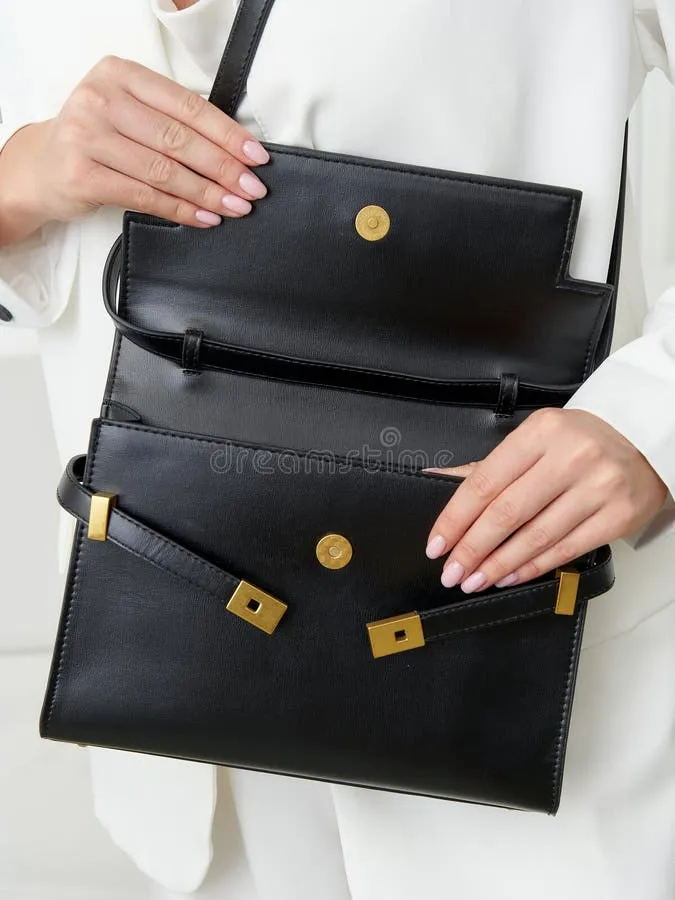
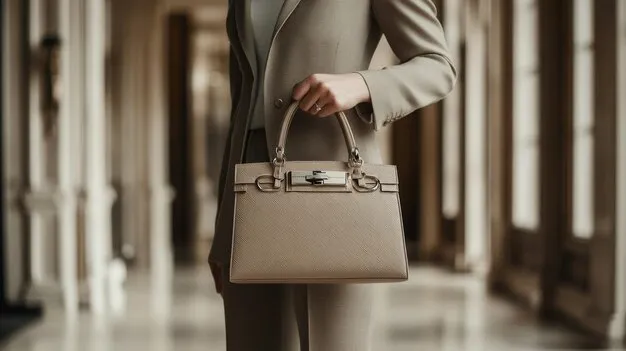
The understated classics tell a different story. Styles with decades-long production histories — the flap bag, the structured top-handle, the understated leather tote — tend to trade within a stable band, often at or near retail, because their demand is continuous rather than cyclical. A woman buying a timeless silhouette in 2014 and another buying the same style in 2024 are competing for the same limited supply.
This is not an accident of design but a function of it. Houses protect their heritage pieces with deliberate scarcity, careful pricing discipline, and resistance to radical redesign. The result is a resale floor that trend pieces simply do not have.
Reading the Signals Before You Buy
American shoppers need not wait for resale data to make an informed decision. Several indicators, visible at the point of purchase, correlate strongly with long-term value retention:
- Production breadth. If the bag is stocked widely and restocked frequently, the secondary market will be flooded within a season.
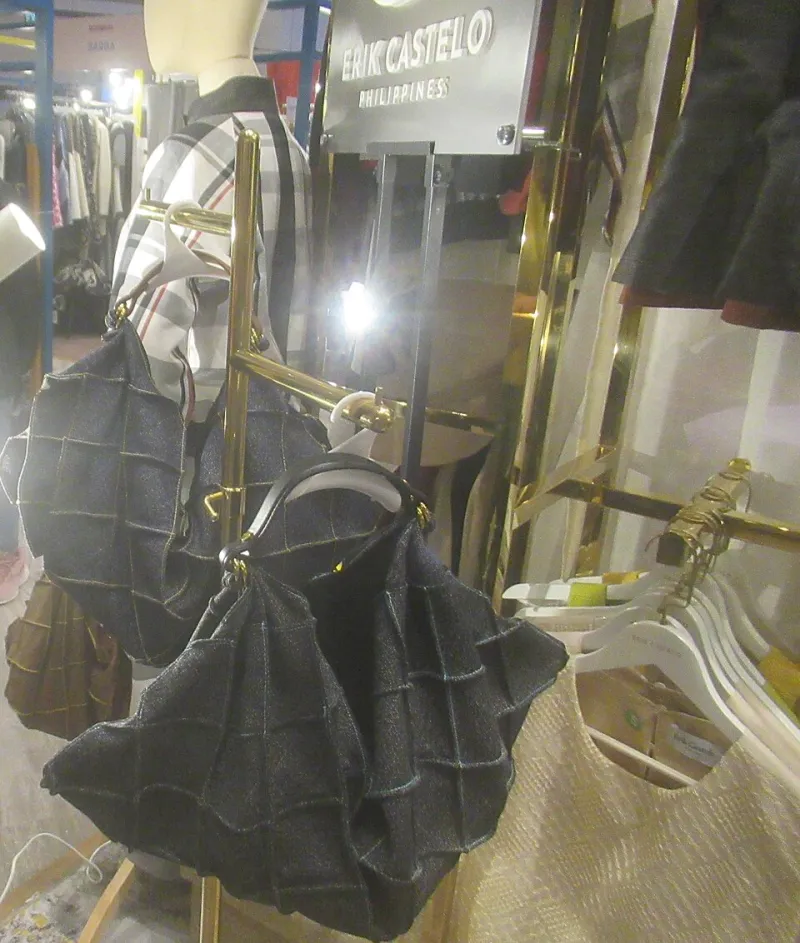
- Logo prominence. A decade of transaction data shows monogram-heavy and logo-forward styles depreciating faster than discreet leather versions of the same design.
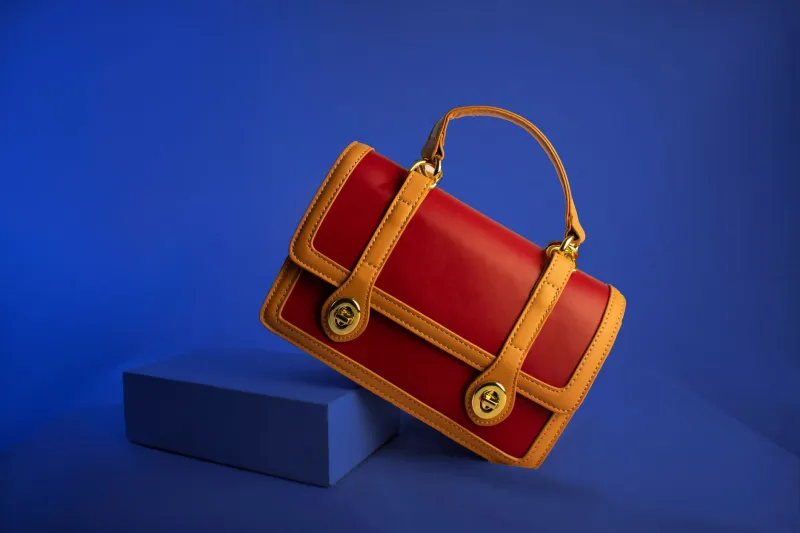
- Seasonal specificity. Colorways and hardware tied to a named collection or year age like dated wine.
- Silhouette lineage. Designs that extend an established house code outperform those invented for a campaign.
None of this argues against buying what you love. A bag carried daily for a decade has delivered its value regardless of the resale receipt. But for the buyer weighing two equally appealing options, the evidence favors the one that will still look current — and still command interest — when the trend cycle has moved on.
The Werf Bag Perspective
At Werf Bag, we believe the most intelligent luxury purchase is the one that serves you now and remains defensible later. Loudness is a marketing strategy; longevity is a design philosophy. The resale market, quietly and consistently, has been telling us which is which.