Leather That Outlives Us: The American Women Turning Handbags Into Heirlooms
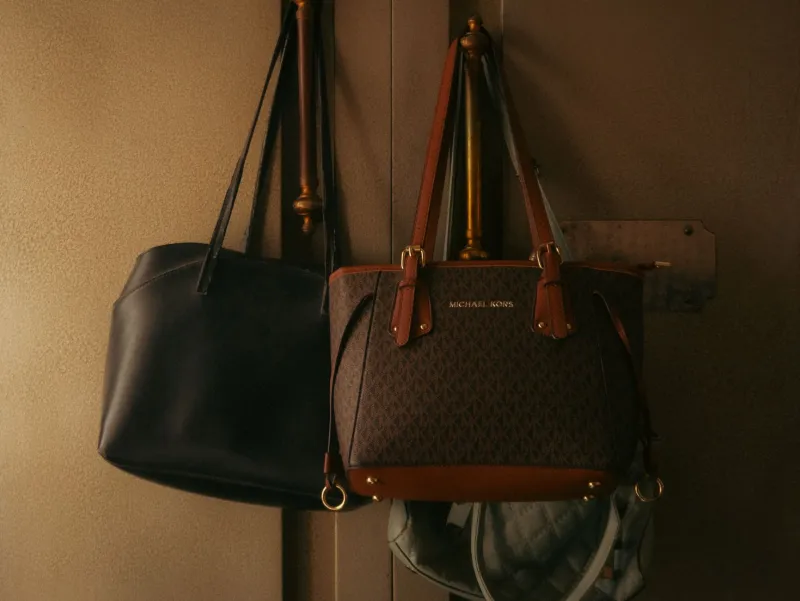
In a modest Colonial in Shaker Heights, Ohio, a Hermès Kelly sits in a cotton dust bag at the back of a closet, waiting. It has waited there, on and off, for thirty-one years. Its current custodian — a retired litigator — has no intention of selling it. She intends to hand it to her daughter, who has already been told, half-jokingly, that she will need to earn it.
This is the second act of the American luxury handbag: not resale, not rotation, but succession.
From Purchase to Passing Down
The collector culture of the past two decades was built around acquisition and, more recently, around the exit — the consignment, the resale platform, the calculated flip. But a growing cohort of American women is opting out of that cycle entirely. For them, the highest and best use of a five-figure bag is not a return on investment. It is a bequest.
The shift is visible in the market. Estate sales and probate auctions now routinely feature designer handbags with documented histories, and auction houses on both coasts have built dedicated categories for them. Meanwhile, a small but expanding industry of leather restorers, spa services, and archival consultants has emerged to do what might be called inheritance-proofing: reconditioning, reinforcing, and documenting a bag so that it survives the decades between owners.
The Emotional Economics of Permanence
There is a financial logic here, however understated. A well-kept classic — the Kelly, the Classic Flap, a monogrammed Speedy — often holds or exceeds its original value over long horizons, particularly with provenance intact. But the women pursuing this path tend to describe their motivations in other terms entirely.
They speak of a bag as a vessel for memory: the interviews it attended, the continents it crossed, the arm it rested on at a daughter's wedding. A handbag chosen for permanence carries a different weight than one chosen for this fall's lookbook. It is purchased, in effect, by committee — the buyer consulting the tastes of a daughter or granddaughter not yet old enough to have opinions.
Economists might call this an intergenerational transfer of durable goods. Families call it something simpler: a way of being present at occasions one will not attend.
Provenance Is the New Pocketbook
If a bag is to become an heirloom, its paper trail becomes as important as its leather. Collectors and estate planners alike recommend assembling what might be thought of as a bag's biography:
- The original receipt, stored digitally and physically, with date of purchase and point of sale.
- Authentication records from a reputable third party, refreshed every several years.
- Service and restoration invoices, which paradoxically increase confidence rather than diminish it, signaling responsible stewardship.
- A letter of intent, sometimes notarized, naming the intended heir and any conditions attached — a document that can spare families genuine discord later.
Estate attorneys note that handbags frequently fall into the untracked middle ground of personal property, neither appraised like jewelry nor itemized like real estate. A one-page addendum to a will or trust, naming the piece and its recipient, prevents the most common outcome: a valuable bag sold hastily, or worse, divided by misunderstanding.
Care Planning for the Long Game
Leather is organic, and organic things require a plan. Conservators who work with vintage pieces suggest a maintenance cadence measured in years, not months: conditioning every few years depending on climate, professional cleaning after heavy use, and attention to the structural weak points — handles, corners, and the hardware that corrodes first in humid environments.
Storage matters as much as servicing. Cotton dust bags, never plastic; stuffings of acid-free tissue rather than newspaper; a closet with stable temperature and humidity rather than a steamy bathroom or an attic over a garage. Women in the South and Southwest, where heat and moisture accelerate leather's decline, have particular reason to be disciplined.
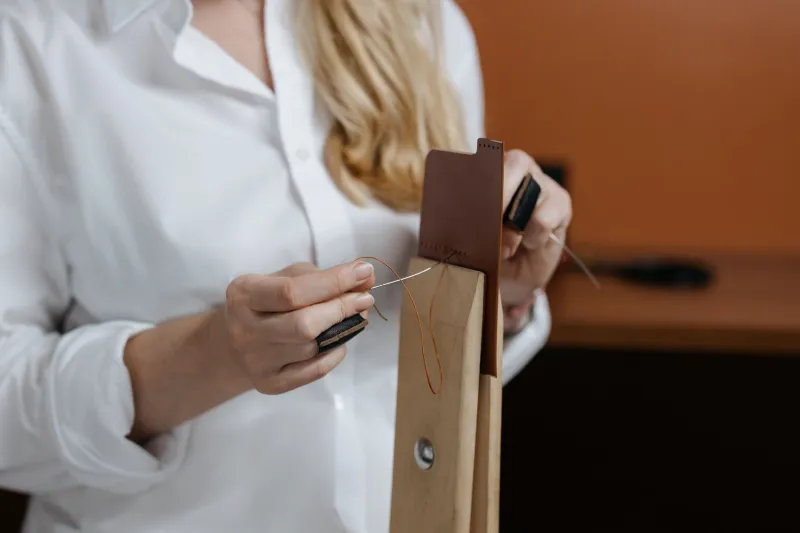
The emerging restoration services go further. Some will replace worn edge paint, re-stitch a handle, or rebuild an interior — work done with an eye toward reversibility, preserving original materials wherever possible so the bag's story remains legible to its next owner.
A Philosophy of Enough
There is a quiet critique embedded in the heirloom bag: it is a rebuke to the churn. A piece intended to outlive its first owner cannot be part of a fast cycle. It asks its buyer to choose once, and choose well.
For the women embracing this, the calculation is not what the bag is worth today on a resale platform. It is what it will mean on the day it changes hands — the note tucked inside, the story retold, the daughter sliding her arm through the same handle her mother carried for thirty years.
Curated luxury, carried with intention, was always the point. Some intentions simply take a generation to arrive.