Useless on Purpose: In Defense of the Bag You Never Carry
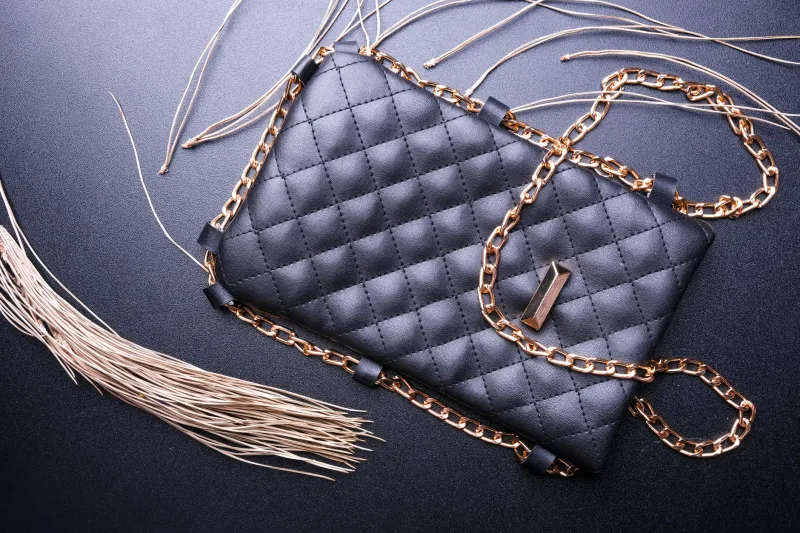
Somewhere in your closet hangs a bag you have carried perhaps three times. It may be feathered. It may be the size of a coin purse, incapable of holding anything larger than a lipstick and a folded bill. It may be a sculptural object that resembles modern art more than an accessory. You cannot part with it. You have no intention of parting with it. And according to collectors, psychologists, and the quiet logic of great wardrobes, you shouldn't.
At Werf Bag, we spend a great deal of time discussing intention — the considered rotation, the sensible investment, the bag that earns its keep. But there is a second kind of intention, less discussed and more misunderstood: the intention to own something purely for delight. Call it the second bag rule. Every American woman who loves handbags, we would argue, deserves one impractical piece.
The Tyranny of the Practical
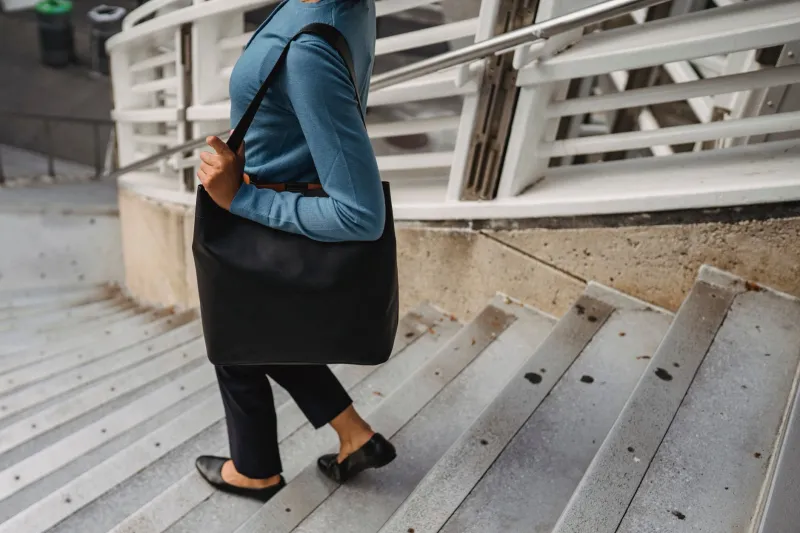
American culture has a long affection for utility. We admire the woman who carries her life in one structured tote, who can move from a morning meeting in Chicago to a red-eye out of O'Hare without missing a step. The practical bag is a badge of competence, and there is nothing wrong with that. Most of this site is devoted to helping you find exactly that bag.
But practicality, taken as a sole criterion, flattens a collection into a filing system. A wardrobe of only sensible bags is a wardrobe with no punctuation — no exclamation point, no question mark. The impractical piece exists precisely to interrupt the efficiency. It does not serve your schedule. It serves your sense of self.
What the Un-carried Bag Actually Does
Dr. Elena Marchetti, a consumer psychologist based in New York who studies the emotional economics of luxury goods, puts it plainly: "The bags we carry are about function and signaling. The bags we keep are about identity and imagination. A woman who owns a feathered evening clutch she rarely uses is not making a mistake — she is keeping a version of herself accessible."
That version might be the hostess who once threw a New Year's dinner in her Brooklyn apartment, the woman who imagines a future gala in Los Angeles, the collector who simply loves the craft of a bag built like a small sculpture. The impractical bag is a promise to yourself that life will contain occasions worth dressing for.
Collectors describe the phenomenon consistently. Marissa Chen, a Denver-based attorney with a dozen designer bags, calls her beaded vintage-style minaudière "the bag that started everything." She has carried it twice. "But I look at it every week," she says. "It's the piece that made the rest of my collection feel like a collection and not a set of purchases."
A Taxonomy of Delightful Uselessness
The impractical piece takes several recognizable forms:
- The evening relic. The clutch — feathered, beaded, covered in sequins — that surfaces perhaps twice a year and justifies itself entirely in those moments.
- The micro bag. The object lesson in reduced capacity, beloved by designers precisely because it refuses to be useful. It is jewelry that happens to have a handle.
- The sculptural oddity. The bag shaped like a seashell, a birdcage, a piece of architecture. It is bought to be beheld.
- The souvenir of fantasy. The bag from a trip, an era, a version of yourself you are not quite done with.
None of these will hold a laptop. That is not their job.
The Economics of Joy
There is, admittedly, a financial argument against the frivolous purchase, and we are loath to dismiss it. But the resale market complicates the easy critique. Unusual, sculptural, and limited pieces from major houses frequently hold value in ways that surprise skeptics — precisely because they were produced in small quantities and are sought by collectors who want the object, not the logo. A joyful purchase, made carefully, is not necessarily a foolish one.
The more important accounting, though, is not financial. Cost-per-wear is a useful metric for the workhorse bag and a meaningless one for the feathered clutch. The latter should be measured in cost-per-pleasure — a number that, for the women we spoke with, approaches zero with each glance into the closet.
Making Room for the Wild Card
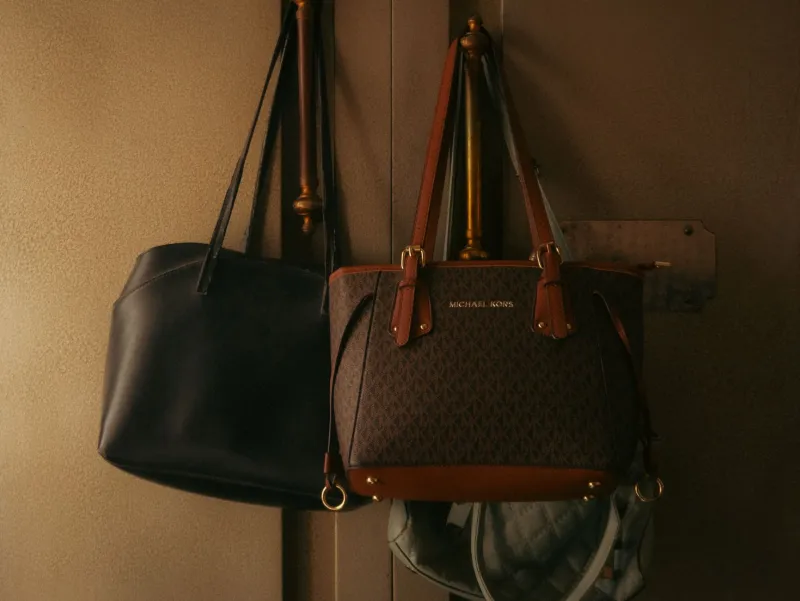
The second bag rule is not an argument for accumulation. It is an argument for composition. A thoughtful collection might look like this: one or two serious everyday bags that carry your working life; one refined bag for occasions that require dignity; and one piece that answers to no one. The first two are chosen with your head. The third is chosen with something else entirely.
Before acquiring yours, a few considerations. Buy the impractical piece in the best condition you can afford — fragility and rarity make provenance matter. Favor pieces from houses with strong craftsmanship, because an oddity poorly made is merely junk, while an oddity well made is art you can hold. And be honest with yourself about the difference between joy and impulse: the joyful bag still makes your pulse quicken a year later.
Carried, Eventually
Here is the final defense of the impractical bag: it usually gets its moment. The invitation arrives. The occasion appears, unannounced, as occasions do. And the woman who kept her feathered clutch through three apartment moves and one marriage walks out the door carrying the one bag in her closet that was never about convenience at all.
The sensible bag gets you through the day. The impractical one reminds you why the day is worth it. Every American woman with a love of this craft deserves at least one piece that answers to nothing but delight. Make room for it.